Box Hill fragile item removals expert care
Posted on 13/08/2026
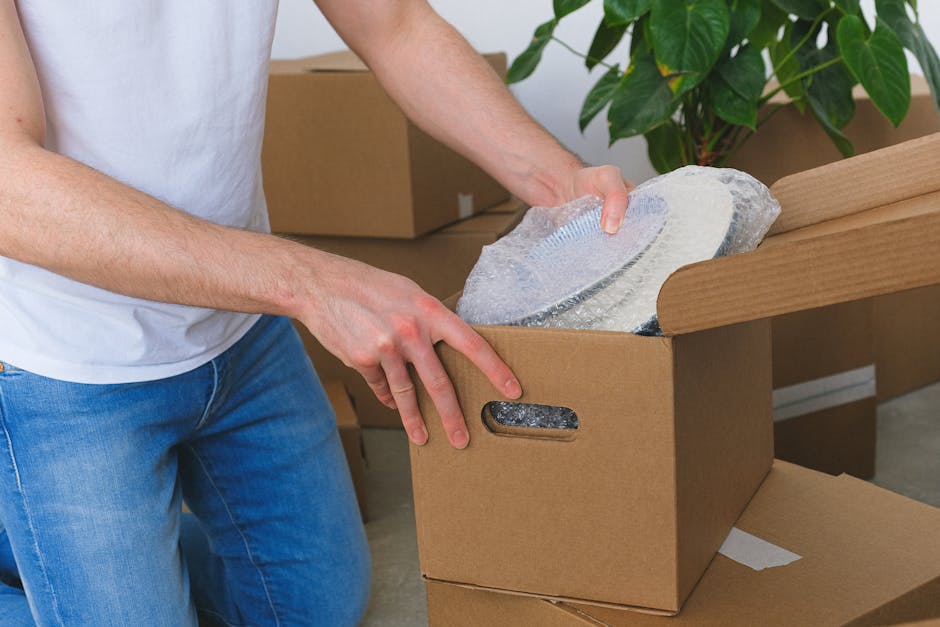
Fragile items are the bits of a move that can turn a calm day into a nervous one. Glass cabinets, framed artwork, mirrors, ceramics, antiques, lamps, and awkward heirlooms all need a steadier hand than the average box-and-go approach. That is exactly where Box Hill fragile item removals expert care matters: careful planning, proper packing, the right lifting method, and a team that understands that one small wobble can mean a costly mistake.
If you are moving in or around Box Hill, you are probably not just looking for transport. You want confidence. You want your belongings wrapped well, loaded sensibly, and delivered without the "heart-in-mouth" moments. In this guide, we break down how expert fragile item removals work, who they suit, what to ask before booking, and the practical steps that make the whole process smoother. We will also cover common mistakes, safety expectations, and a realistic checklist you can actually use.
Why Box Hill fragile item removals expert care Matters
Fragile removals sound simple until you are standing in a hallway with a wide mirror, a box of stemware, and a staircase that suddenly looks narrower than it did yesterday. The reason expert care matters is straightforward: delicate items are usually expensive, awkward, or emotionally irreplaceable. Sometimes all three. A chipped vase can be disappointing; a broken family heirloom is something else entirely.
In Box Hill, many moves involve a mix of older homes, flats, family properties, and compact access points. That means tight corners, limited parking, or short loading windows can all add pressure. A thoughtful removals team has to work around that, not fight it. They will plan the route, decide which items need double wrapping, and separate the light-but-brittle things from heavier furniture so nothing gets crushed in transit.
There is also the stress factor. People usually underestimate how much calm they lose once packing starts. You notice every scrape, every tap, every box set down a bit too quickly. Expert fragile item handling reduces that background anxiety. Truth be told, that is worth a lot on moving day.
Expert summary: fragile item removals are not just about cushioning. They are about judgement, sequencing, vehicle loading, and protecting the things that cannot be replaced easily. If that sounds fussy, well, it is. Fussy is good here.
How Box Hill fragile item removals expert care Works
Good fragile item removals start long before the van arrives. The process usually begins with a short assessment of what needs moving, how delicate each item is, and what access issues may get in the way. A single flat-screen mirror needs different treatment from a box of crockery or a painted canvas. That sounds obvious, but it is exactly where rushed jobs go wrong.
Most professional handling follows a simple rhythm:
- Identify fragile items early. This includes obvious items such as glass, ceramics, artwork, and lamps, plus less obvious things like monitor screens, antique chair legs, and decorative shelving.
- Choose the right packing materials. Bubble wrap, packing paper, dish dividers, mattress-style corner protectors, double-walled cartons, and tape all have a place. Overpacking is not ideal, but underpacking is worse.
- Label clearly. Marking boxes as fragile, this side up, or do not stack helps the load order in the vehicle and reduces accidental pressure.
- Load with balance in mind. Fragile items should not be buried under bulky furniture. They need stable placement with enough buffer to stop movement.
- Unpack with care. The job is not done the moment the van stops. Careful unloading and placement matter just as much.
If you are arranging a wider house move, it helps to coordinate fragile packing with the overall removal plan. Services like house removals Surrey and packing and boxes Surrey can support the process when the delicate items are only part of a full move.
For some moves, especially smaller ones or awkward access jobs, a flexible option such as man and van Surrey may be enough. For bigger homes or more delicate loads, a more structured service can make life easier. It depends on what you are moving and how much you want to leave to chance. Not much, ideally.
Key Benefits and Practical Advantages
The biggest benefit of expert fragile item removals is not just protection. It is control. You know what is being packed, where it is going, and how it is being handled. That kind of clarity lowers the odds of disputes, delays, or that awkward moment when a broken item has to be explained after the move.
- Less breakage risk: Proper wrapping, boxing, and stacking reduce the chance of damage during transit and loading.
- Better time management: A skilled team works faster because they are not improvising every step.
- Cleaner organisation: Fragile boxes are separated from general household goods, so unpacking is less chaotic.
- Reduced physical strain: Lifting mirrors, glass tabletops, or heavy framed artwork alone is asking for trouble, honestly.
- More suitable for awkward homes: Tight stairwells, split-level layouts, and shared entrances all need careful handling.
There is another practical upside: the move tends to feel more professional when the vulnerable pieces are treated properly. That matters if you are moving into a new house and trying to keep the day from becoming a blur. The quieter and more organised the fragile-stage is, the better the whole move feels.
For people comparing broader moving options, it can be useful to look at the wider service structure through services overview and then decide whether specialist fragile handling should sit alongside a more general move, such as removals Surrey or furniture removals Surrey.
Who This Is For and When It Makes Sense
Fragile item removals are not only for people with priceless antiques. They are useful for anyone who has items that would be annoying, expensive, or impossible to replace quickly. That includes families, renters, students with tech equipment, small businesses, and homeowners moving sentimental pieces.
This service makes particular sense if you are moving:
- mirrors, glass tables, or large picture frames
- fine crockery, glassware, or display items
- artwork, sculptures, or collectibles
- pianos, music equipment, or sensitive instruments
- decorative furniture with fragile finishes
- computer monitors, printers, and office electronics
- items with sentimental value where replacement is not the point
If you are dealing with a flat move, access can make the need for expert care even stronger. Smaller hallways and shared stairwells are not kind to oversized boxes. In those cases, flat removals Surrey is often a helpful starting point, especially if the fragile load needs extra planning.
Students moving term-time equipment, monitors, and kitchen bits may also need a lighter but still careful approach. For them, student removals Surrey can fit well. And if timing is tight, the speed of same day removals Surrey can be useful, though fragile items should never be rushed simply for the sake of speed.
Step-by-Step Guidance
Here is the practical version. Not polished, just useful.
- Make a fragile inventory. Walk through each room and list anything breakable, sensitive, or awkwardly shaped. If you have to think, "I should probably protect that," then protect it.
- Sort by risk. Group items into low, medium, and high-risk categories. A mug set is not the same as a framed oil painting, and shouldn't be packed like it is.
- Measure awkward items. This helps with box choice, route planning, and deciding whether an item should be carried vertically or horizontally.
- Use the right materials. Soft wrap for surfaces, thicker protection for corners, rigid cartons for pressure points, and plenty of padding to stop movement.
- Pack space-smart. Fill voids inside boxes so contents do not slosh around. Loose space is the enemy here.
- Separate by destination room. Label boxes clearly so your unpacking is calmer later.
- Load carefully. Keep fragile items upright where needed and away from heavy, shifting furniture.
- Check insurance and terms before moving day. It is much easier to clarify responsibilities before the van is already packed.
If your fragile items form part of a larger relocation, especially a home or office move, it is worth reviewing insurance and safety alongside health and safety policy. A sensible move is a safer move. Simple as that.
And yes, ask questions. You are not being difficult. You are being sensible. That difference matters.
Expert Tips for Better Results
After a while, the same handful of habits makes the biggest difference. Here are the ones that tend to matter most.
- Pack heavier fragile items at the bottom, not the top. This sounds basic, but people still get it wrong. Heavier fragile goods should be supported by the box structure, not hanging in mid-air.
- Keep similar materials together. Glass with glass, ceramics with ceramics, electronics with appropriate cushioning. Mixed loads can shift in awkward ways.
- Use more padding on corners than flat surfaces. Corners and edges fail first. That is where the energy goes when a box gets nudged.
- Take photos before packing valuables. Useful for records, but also just practical if you want a clean reference later.
- Do not overfill boxes. A box that bulges is more likely to split or collapse under stack pressure.
- Ask for a tailored plan for special items. Pianos, antique mirrors, and artworks often need a slightly different workflow.
There is a temptation to rely on old towels and a bit of tape. Sometimes that works for basic household bits. Sometimes it does not. Be fair to the item. Use proper materials where it counts.
If you need specialist support beyond standard packing, piano removals Surrey is a reminder that not every awkward item can be handled as though it were a box of books. Likewise, if you want a moving day that feels less improvised overall, removal services Surrey can be a better fit than trying to stitch together separate bits yourself.
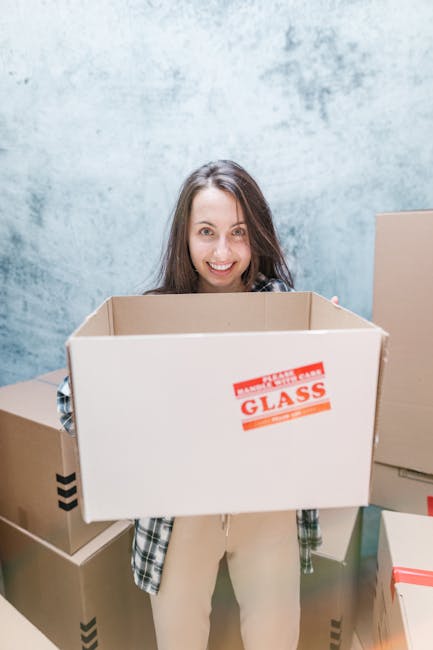
Common Mistakes to Avoid
Most fragile-item damage is predictable, which is a bit frustrating but also useful. It means it is avoidable. The same mistakes crop up again and again.
- Packing too late: Rushed packing leads to weak wrapping and poor labelling.
- Using the wrong box size: A box that is too large lets items move around; too small and pressure builds.
- Ignoring access points: Narrow stairs, low doorframes, and hallway bends all need a plan.
- Stacking fragile boxes under heavy items: This one still catches people out, even when they know better.
- Forgetting to communicate special handling needs: If a box must stay upright, say so clearly and more than once.
- Choosing a service only on price: A cheaper quote can look fine until damage happens. Then, well, not so fine.
Another common issue is assuming every removal team handles delicate items the same way. They do not. One team may be brilliant with heavy furniture and only average with glass and artwork. Another may be extremely good at fragile packing but not the best fit for a broad, full-property move. Ask before you book.
For pricing-related decisions, it can help to review pricing and quotes early, rather than leaving it to the end when stress is already in the room. And if you are comparing transport options, man with a van Surrey and removal van Surrey are useful pages to understand the service style that fits your move.
Tools, Resources and Recommendations
You do not need a warehouse full of kit, but the right tools make fragile removals much safer. The basics are usually enough when they are used properly.
| Tool or material | Best use | Why it helps |
|---|---|---|
| Bubble wrap | Glass, ceramics, picture frames | Cushions against knocks and vibration |
| Packing paper | Layering and surface protection | Prevents scratches and fills gaps |
| Double-walled boxes | Heavier breakables or mixed fragile loads | Better crush resistance |
| Corner protectors | Mirrors, artwork, furniture edges | Protects the points that fail first |
| Stretch wrap | Securing soft coverings or grouped items | Keeps layers from shifting |
| Clear labels | Box identification | Speeds up loading and unpacking |
Recommended approach? Keep fragile packing boring and consistent. The more repeatable it is, the fewer surprises you get. A small roll of tape in the right place can save a lot of grief. A missing label can cost you an hour later. Funny how that works.
If storage is part of the picture, especially when move-in and move-out dates do not line up neatly, storage Surrey can give fragile pieces a safer resting place between properties. That is often useful for renovations, delayed completions, or staggered moves.
And for people who want a better feel for the company behind the service, about us is the natural place to understand the broader approach, values, and style of working.
Law, Compliance, Standards, or Best Practice
Fragile removals sit inside a wider duty of care. In plain English, that means movers should handle belongings responsibly, communicate clearly, and work in a way that reduces avoidable risk. There is no magic shortcut around that. In the UK, good practice generally includes clear terms, sensible insurance arrangements, and safe manual handling.
It is also sensible to pay attention to how a removal company treats information, payments, and complaints. These are not glamorous topics, but they matter. If a company explains its processes clearly, that is usually a positive sign. If it cannot answer basic questions about safety, packing responsibility, or what happens if something is damaged, you should pause.
For that reason, pages such as terms and conditions, payment and security, privacy policy, and complaints procedure are worth reviewing before booking. They help set expectations and reduce confusion if something needs clarifying later.
There is also a practical safety angle. Manual handling, secure stacking, and safe lifting are standard expectations in any decent move. You do not need a lecture on regulations to know the basics: if an item is heavy, awkward, or fragile, it should be carried with enough people and enough care. Simple, but not always simple in a cramped hallway at 7:30 in the morning.
Options, Methods, or Comparison Table
There is more than one way to handle delicate items. The right choice depends on the size of the move, the access situation, and how many fragile items you have.
| Method | Best for | Pros | Watch out for |
|---|---|---|---|
| Self-packing with guidance | Small numbers of easy-to-pack breakables | Flexible and budget-friendly | Higher risk if materials or technique are poor |
| Full packing service | Multiple fragile items or a full household move | Better consistency and less stress | Costs more than doing it yourself |
| Specialist fragile-item handling | Art, mirrors, antiques, pianos, high-value pieces | Most suitable for high-risk items | Needs clear communication and planning |
| Mixed removal service | General household contents plus a few fragile items | Efficient for standard moves | Requires attention so fragile goods do not get treated like general boxes |
In many real moves, the best option is a blend. Perhaps you pack books and clothing yourself, but let professionals handle glassware, artwork, and furniture with delicate finishes. That is often the sweet spot. Not too much drama, not too much DIY heroics.
For full-home decisions, a broader house removals Surrey plan can sit neatly alongside specialist fragile care. If your move is more compact, the approach may lean toward man and van Surrey or removal companies Surrey depending on the scale and complexity.
Case Study or Real-World Example
Picture a Box Hill couple moving from a first-floor flat into a house nearby. They have a large mirror, six framed prints, a cabinet of glassware, and an inherited side table with a delicate finish. Nothing outrageous. Just the kind of items that can go badly if treated as ordinary boxes.
They start by listing every fragile piece a few days before the move. That matters, because the list reveals more than expected: a table lamp with a loose base, a small sculpture from the mantelpiece, and a stack of plates that have sentimental value even if they are not expensive. They pack the smaller items into labelled boxes, wrap the mirror and prints separately, and keep the side table padded from corners to legs.
On moving day, the crew loads the fragile boxes last so they come off first. The mirror is carried upright, the cabinet is kept stable, and the boxes are not stacked under anything heavy. The move is done by late afternoon, and the couple is not hunting through random cartons for the kettle or worrying about broken glass at the bottom of the van. Nice and steady. A boring ending is usually a good ending in removals.
What made that move work was not luck. It was sequencing, communication, and a bit of discipline. The items were not overhandled, and nobody had to guess what was fragile. That is the real value of expert care.
Practical Checklist
Use this as a quick pre-move check. It is simple, but it catches a lot.
- Have I identified every fragile item room by room?
- Have I separated high-value pieces from general household boxes?
- Do I have enough wrapping, padding, and sturdy boxes?
- Have I labelled every fragile box clearly?
- Do I know which items need to stay upright?
- Have I measured anything awkward or oversized?
- Have I told the removals team about stairs, parking, or access issues?
- Have I checked the company's safety, insurance, and terms information?
- Are the most delicate items packed separately from heavy goods?
- Do I have a plan for storage if dates do not line up?
If you can tick most of those off, you are already ahead of the usual last-minute scramble. That alone can make the day feel lighter.
For extra reassurance around the service model and wider support, you may also want to review recycling and sustainability if you are decluttering while you move, or removal services Surrey if you want to see how the moving process can be structured from start to finish.
Get a free quote today and see how much you can save.
Conclusion
Fragile item removals are one of those jobs where small decisions carry a lot of weight. The right boxes, the right order, the right handling, and the right team can mean the difference between a calm move and a day full of avoidable stress. With Box Hill fragile item removals expert care, the goal is not just to get everything from A to B. It is to do it with enough care that your belongings arrive ready to use, display, or enjoy straight away.
That is the real win. Not fancy language, not big promises, just thoughtful work and a smoother day. If your move includes items you would rather not gamble with, it is worth taking the careful route. You will feel the difference before the van has even left the street.
A good move leaves you tired, perhaps, but not anxious. That is a decent standard to aim for.